Can a useful DNA-damage response be activated without causing damage?
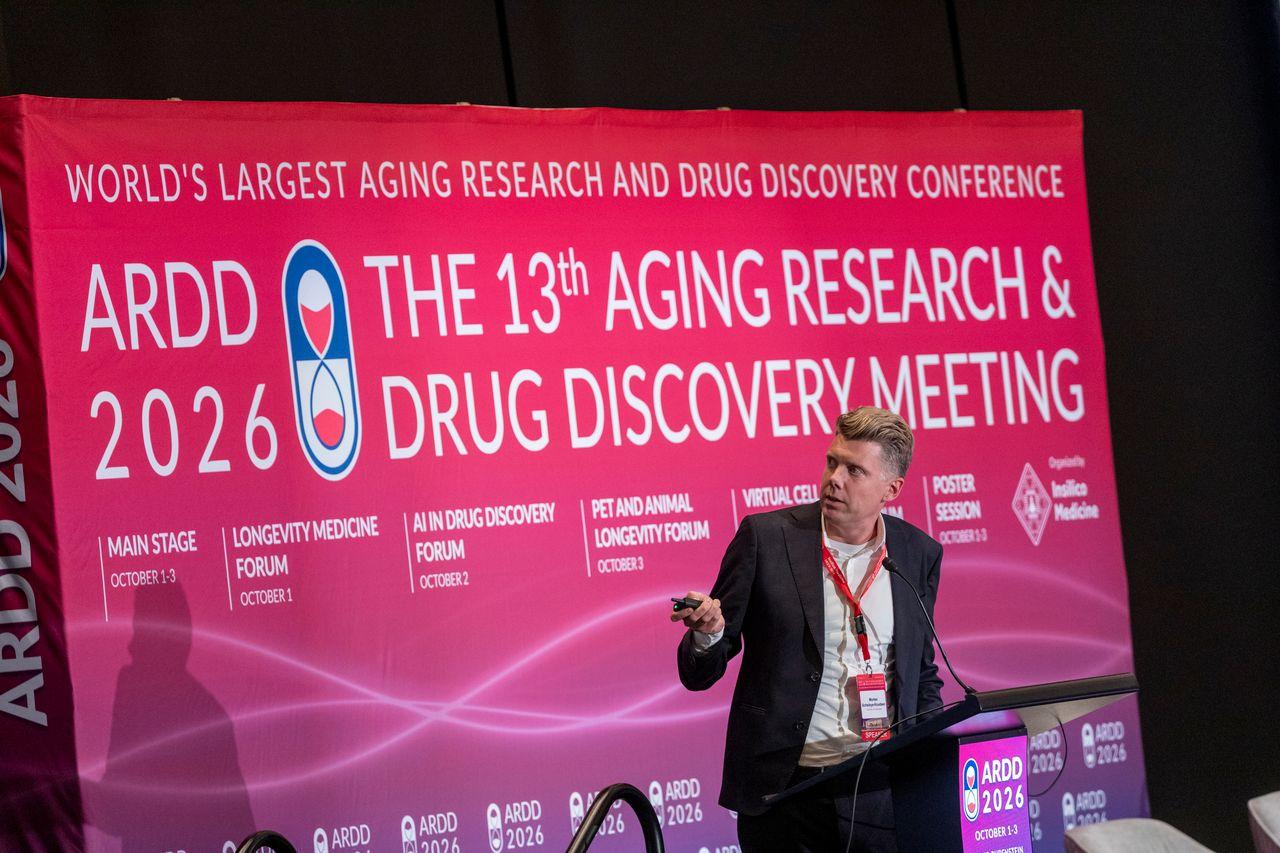
LinkedIn caption
🔬 Can a useful DNA-damage response be activated without causing damage?
Morten Scheibye-Knudsen explored that question at ARDD 2026 alongside new ways to measure aging phenotypes. The official recap describes survival prediction from facial photographs and a cell-morphology classifier that identifies senescent cells in skin and blood. These approaches connect visible features with biological states and future outcomes.
💡 On the intervention side, a screen identified “Drug F,” a compound reported to stimulate DNA-damage signaling without inflicting damage. Scheibye-Knudsen reported changes in senescence markers and improved motor function in flies, followed by improvements in learning and motor deficits in two Alzheimer’s mouse models. The connection between measurable phenotypes and testable interventions is compelling, while those animal findings remain an early step toward evaluating safety and benefit in people.
#ARDD2026 #DNADamage #AgingResearch
X caption
🔬 How do we measure the damage that matters? Morten Scheibye-Knudsen connected cell-shape biomarkers with DNA-damage signaling research at #ARDD2026, including experimental work in preclinical models. Linking phenotypes with biology raises research questions.
#AgingResearch
Credit: Michael DeStefano
Copy and paste the caption manually, then attach the downloaded photo. Nothing is published automatically.