A discovery timeline that begins before diagnosis
LinkedIn caption
🧬 A discovery timeline that begins before diagnosis
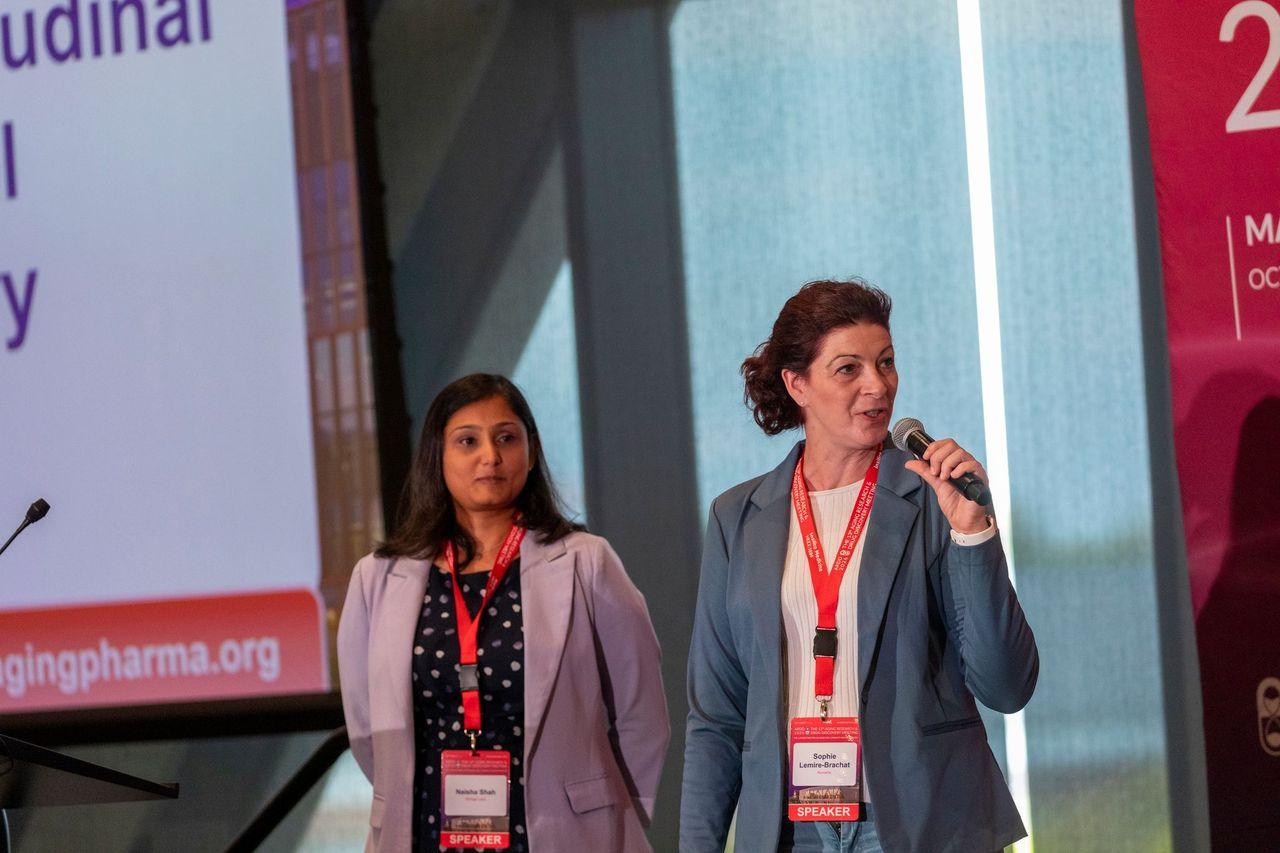
At ARDD 2026, Sophie Lemire-Brachat and Naisha Shah presented APEx as a way to connect decades of human follow-up with exercise biology. One example showed why the timeline matters: kidney, cardiac and metabolic signals associated with later heart failure appeared around 20 years before diagnosis, while fibrosis-related biology and NT-proBNP emerged closer to diagnosis.
💡 Those different time windows can help researchers ask which processes belong to early vulnerability and which accompany later disease development. APEx combines serial protein measurements, genetics and functional assessments, then ranks candidate targets across several biological systems. The goal is to use human trajectories to guide target discovery, including the search for mechanisms associated with the protective effects of physical activity.
#ARDD2026 #DrugDiscovery
X caption
🧬 Sophie Lemire-Brachat and Naisha Shah brought APEx to #ARDD2026: linking longitudinal human data with exercise biology to search for therapeutic targets that support resilience. Early signals and later fibrosis can tell different parts of the story.
#DrugDiscovery
Credit: Michael DeStefano
Copy and paste the caption manually, then attach the downloaded photo. Nothing is published automatically.